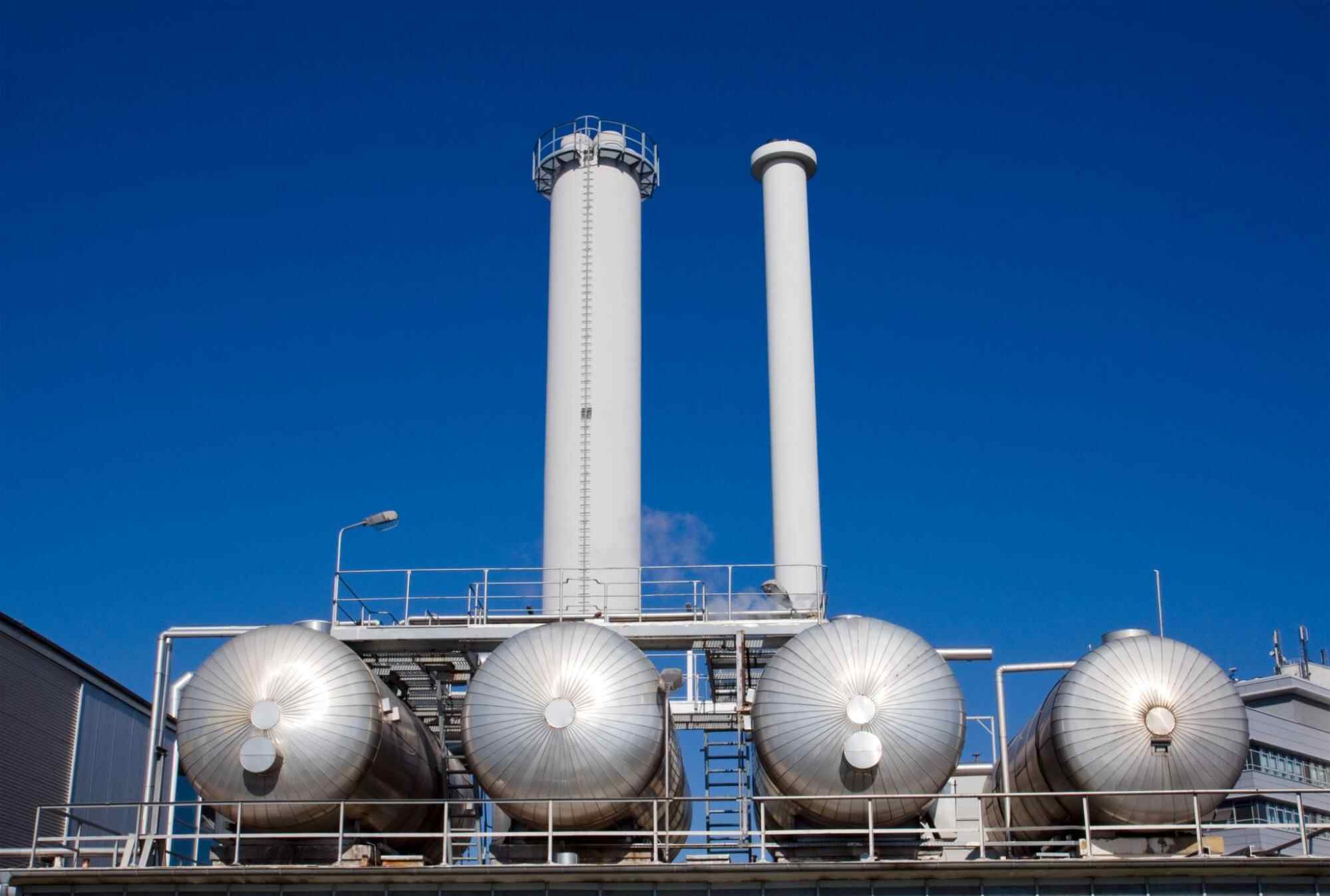
BTEX and VOC Emissions: What Oil and Gas Operators Need to Know
This article explains where BTEX and VOC emissions develop, why they require management, and how operators can plan treatment for mixed emission streams.

This article explains where BTEX and VOC emissions develop, why they require management, and how operators can plan treatment for mixed emission streams.
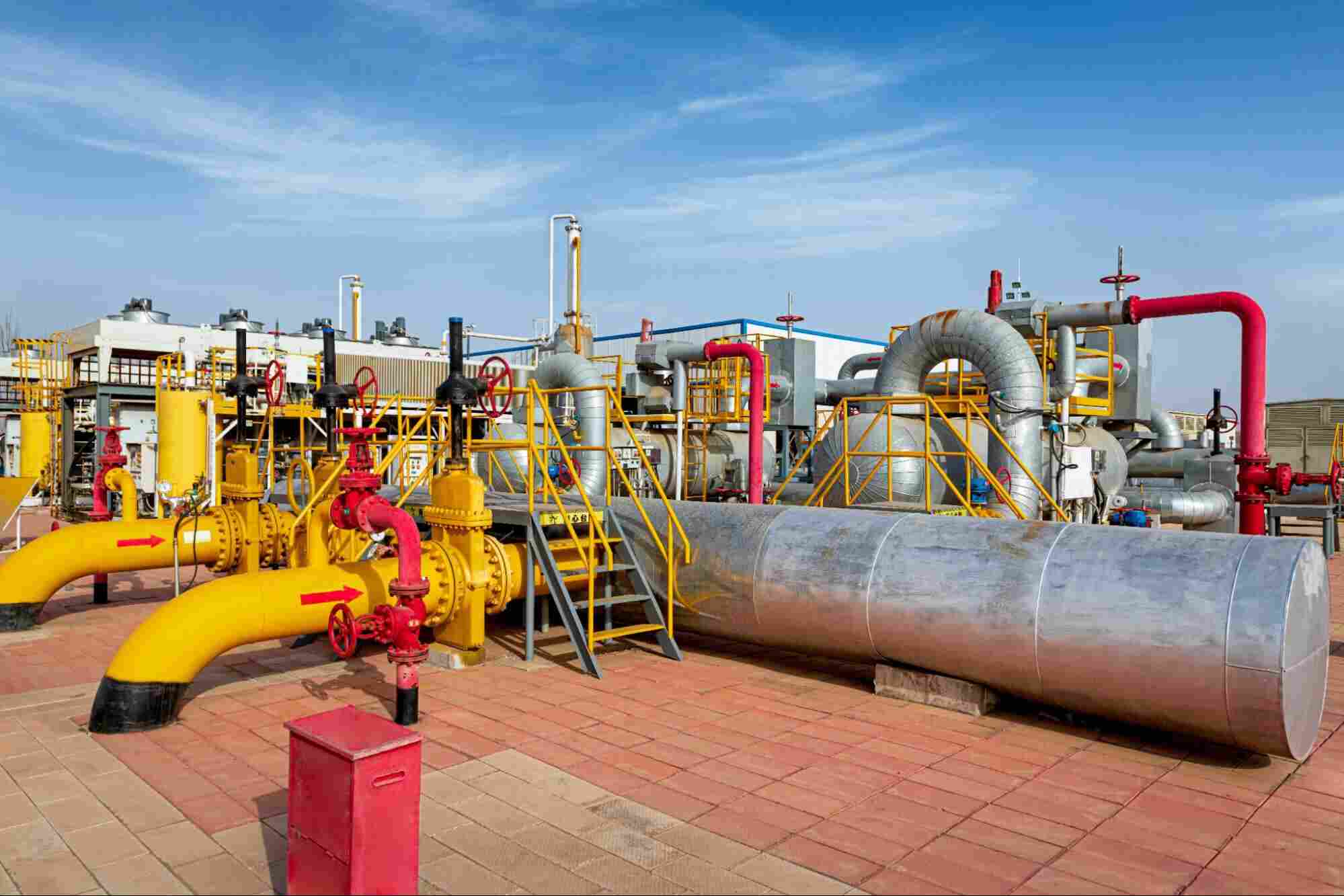
This article explains how they are related, why meeting one specification does not necessarily mean the other has been addressed, and how operators can evaluate both before crude moves downstream.
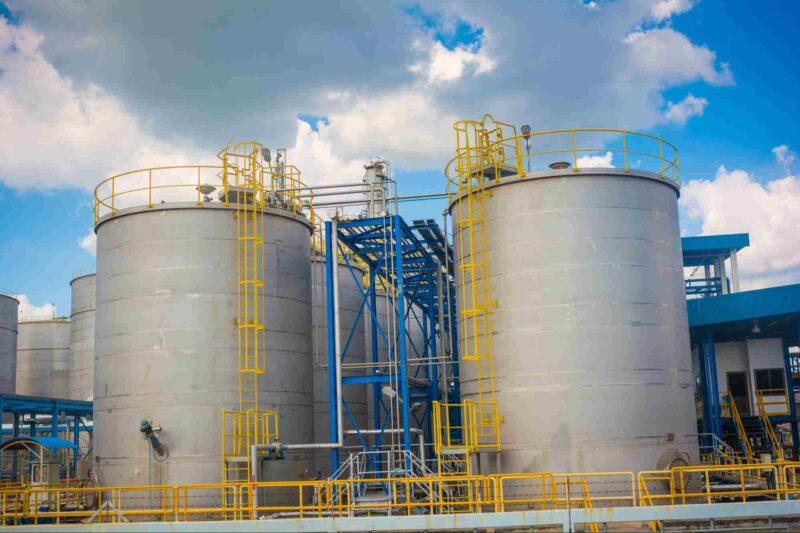
Tank vent emissions can change quickly when sour oil, produced water, or other H₂S-containing fluids enter storage. Pressure changes, agitation, temperature, and fluid movement can cause dissolved H₂S to enter the vapor space along with hydrocarbon vapors.

This article explains why shutdowns and turnarounds require a different hydrogen sulfide management approach and outlines how temporary emissions control, gas monitoring, treatment planning, and field coordination support safe and compliant maintenance activities.
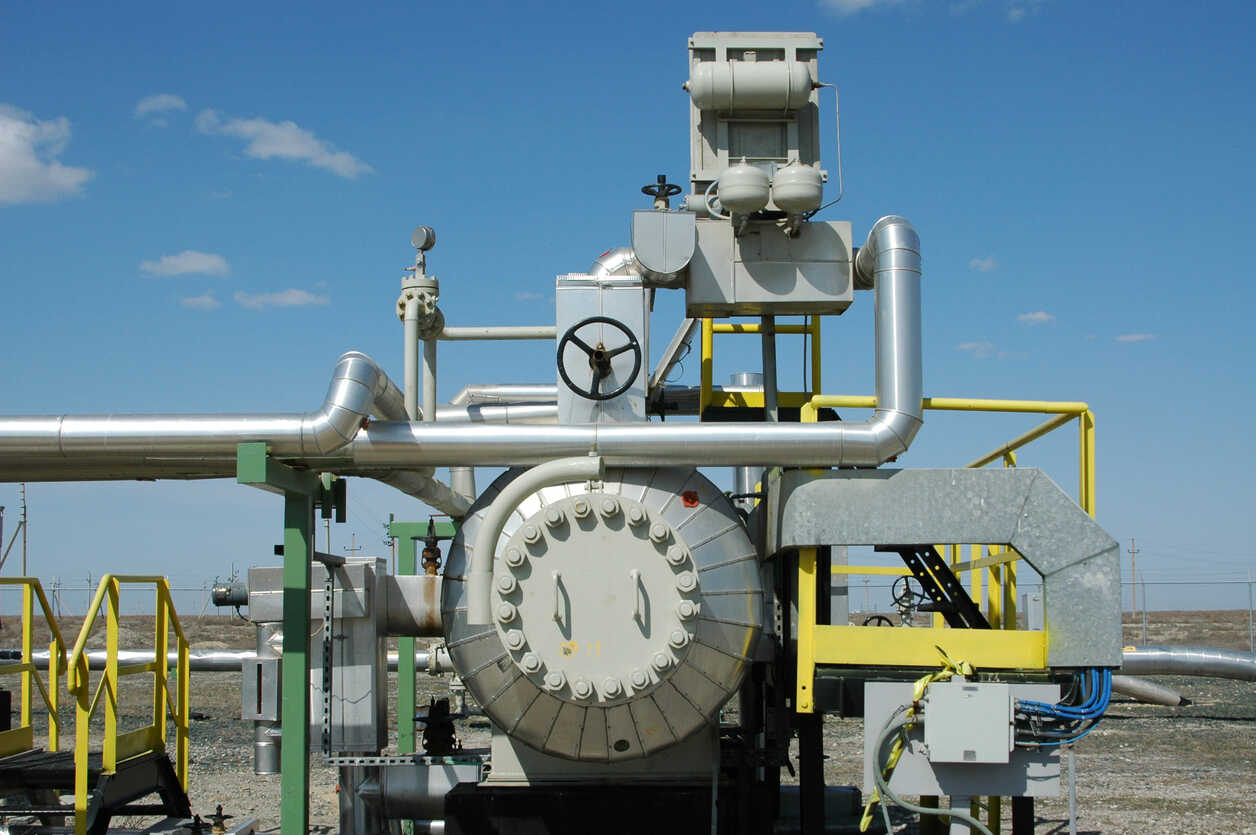
This article compares scrubbers, chemical injection systems, and gas sweetening equipment and explains how H₂S concentration, flow rate, operating conditions, and production requirements influence equipment selection for different field applications.
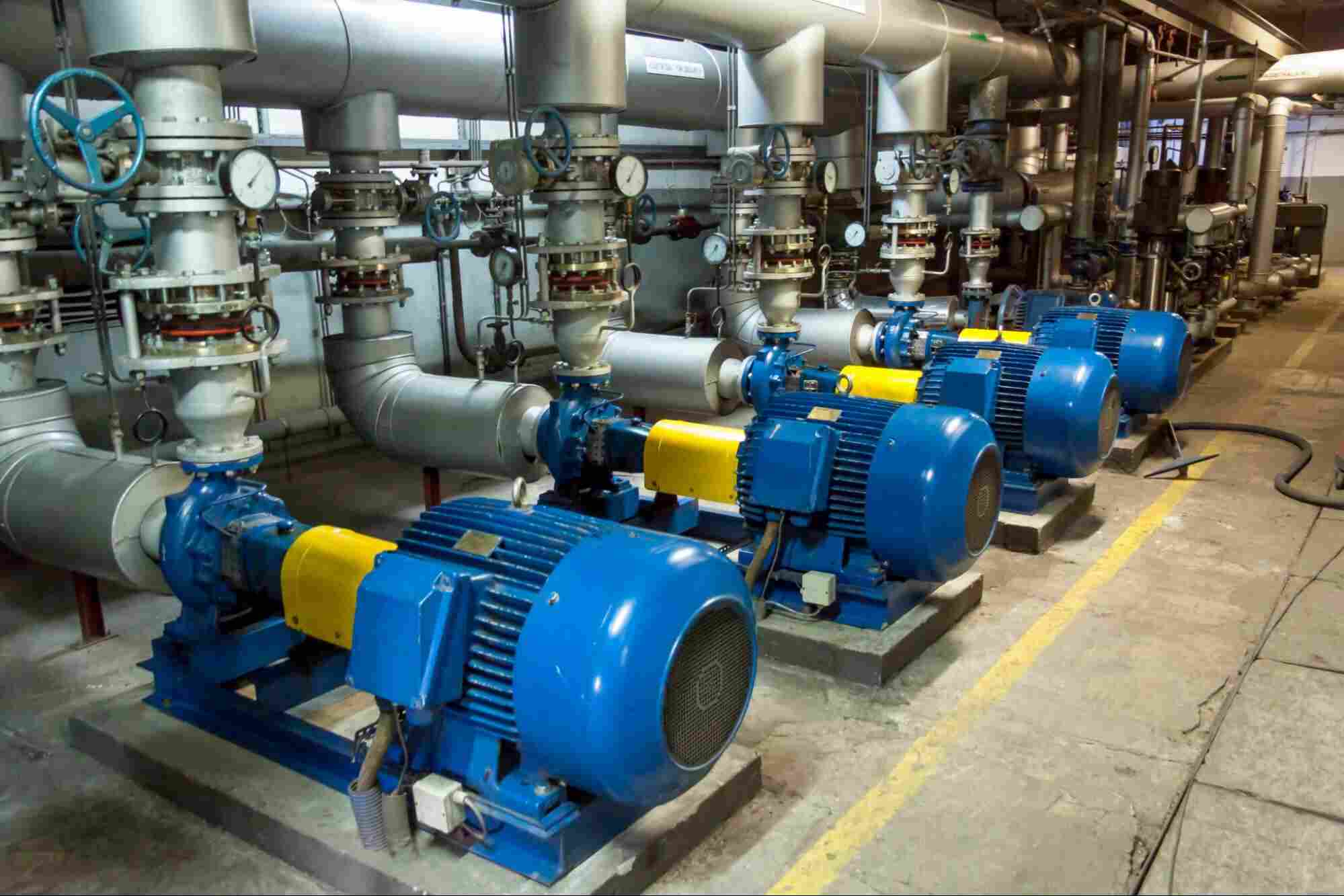
This article explains how scavenger chemistry works, where it is most effective, which operating conditions influence performance, and how chemical treatment compares with scrubbers and gas sweetening systems.

This article explains how hydrogen sulfide develops in water, why treatment can be difficult, and which methods are used to support safer, compliant, and reliable operations.

This article explains how H₂S is removed from natural gas and sour gas streams, compares common treatment methods, and outlines when each solution is the best fit for field operations.

This article explains the main exposure and handling risks associated with molten sulfur, how unsafe conditions develop in the field, and which operating practices help teams maintain safer, compliant, and more predictable site performance during sulfur handling, storage, and transfer activities safely.
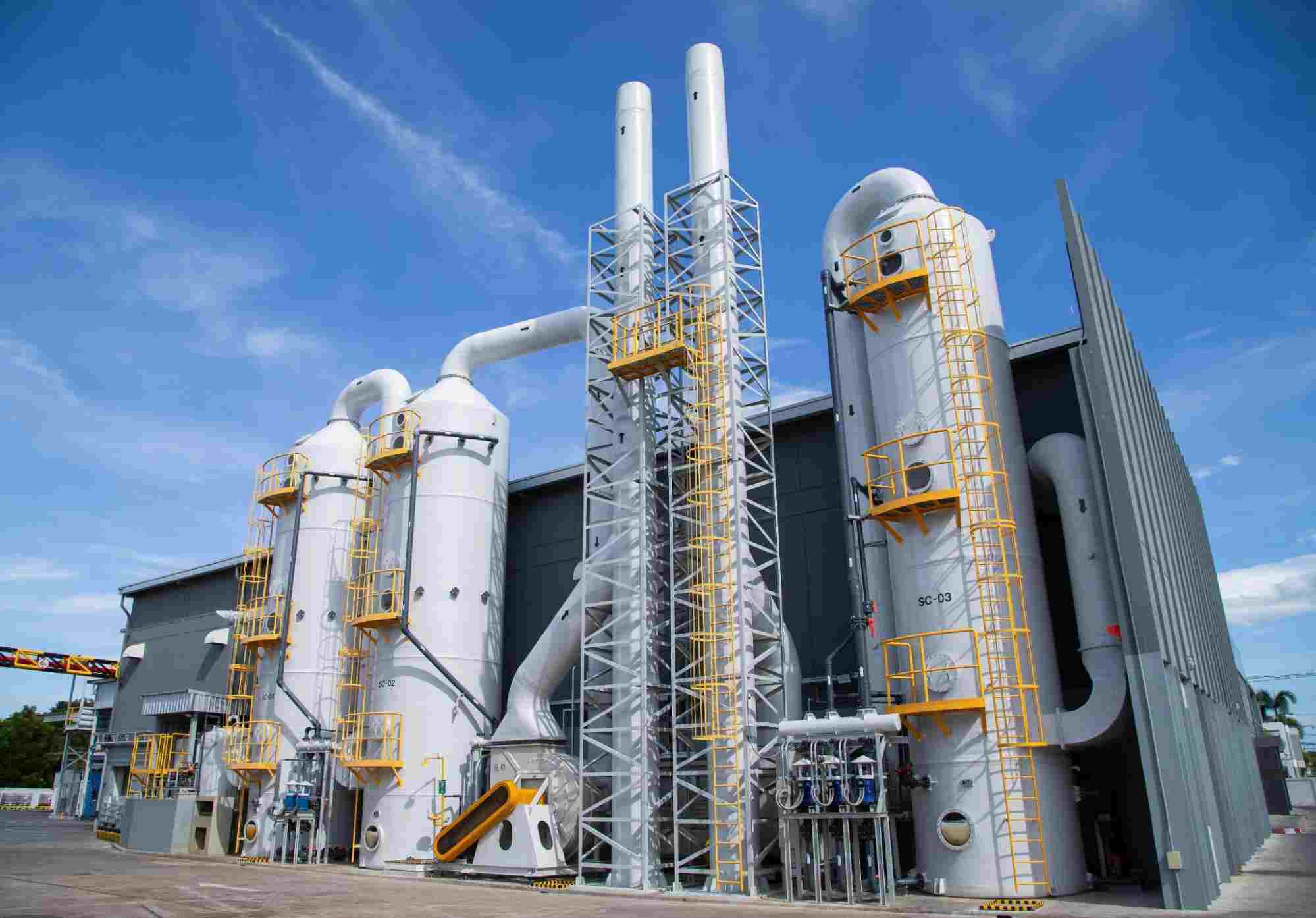
This article explains the main H₂S treatment methods used in field conditions, including scavengers, scrubbers, and system-based solutions. It also outlines when each approach is most effective based on operating conditions, treatment scale, H₂S concentration, and compliance requirements for safe site performance.