
Article Overview
Hydrogen sulfide treatment is an important part of safe and compliant operations in oil, gas, water, and industrial emissions management. This article explains the main H₂S treatment methods used in field conditions, including scavengers, scrubbers, and system-based solutions. It also outlines when each approach is most effective based on operating conditions, treatment scale, H₂S concentration, and compliance requirements for safe site performance.
What Are The Main Hydrogen Sulfide Treatment Methods?
Most H₂S treatment programs fall into three broad categories: chemical scavengers, scrubbers, and system-based solutions. Each method has a specific role, and each works best under different operating conditions.
Chemical scavengers are commonly used when H₂S is dissolved in a fluid stream, such as crude oil, produced water, or condensate. These chemicals react with hydrogen sulfide to reduce its concentration before the fluid is stored, transported, or processed. For example, Corvidal H₂S scavenger chemistry is designed to neutralize H₂S in fluid environments, with product selection based on the specific fluid conditions and treatment requirements of the application.
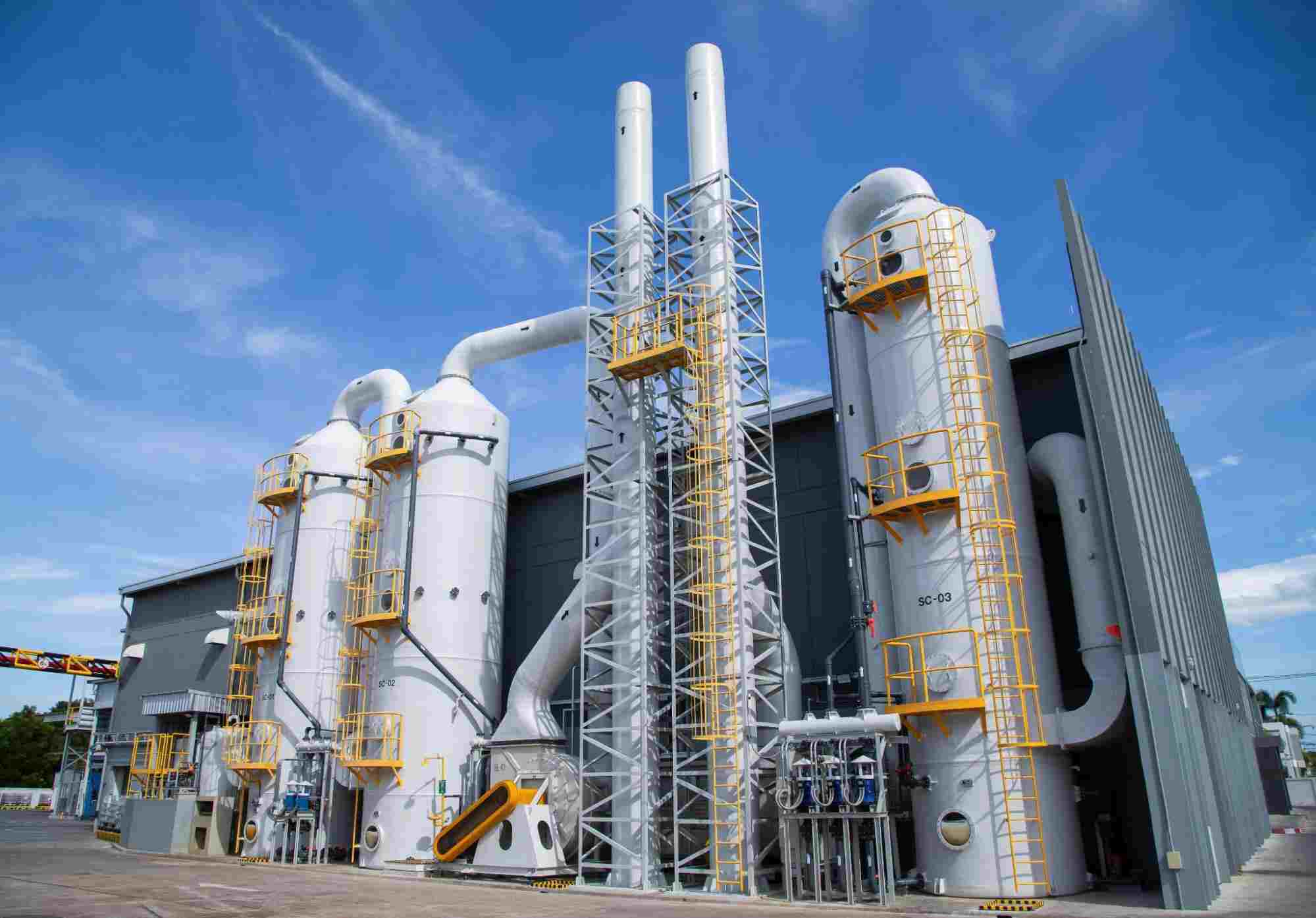
Scrubbers are typically used when H₂S is present in the gas phase. They treat sour gas, vent gas, or vapors released from tanks, separators, and process equipment. H₂S scrubbers provide a controlled way to capture and neutralize H₂S before emissions reach the atmosphere or create exposure risks for workers.
System-based solutions are used when conditions are more complex, when H₂S levels are high or variable, or when operators need a complete treatment package rather than a single chemical or vessel. These systems may combine equipment, chemistry, monitoring, and field support to treat gas, oil, or water more effectively.
When Should Operators Use H₂S Scavengers?
Scavengers are often the preferred option when hydrogen sulfide is dissolved in a liquid stream and treatment can be achieved through proper chemical contact. They are commonly applied through continuous injection, batch treatment, or targeted dosing depending on flow rate, retention time, and site configuration.
This method works well when operators need flexibility. Chemical rates can be adjusted as H₂S concentrations change, which makes scavengers practical for production sites where conditions are not always stable. Scavengers are also useful when equipment footprint is limited or when treatment needs to be deployed quickly.
However, scavenger performance depends on more than simply adding chemicals. Contact time, mixing, temperature, water cut, crude composition, and dosage accuracy all affect results. If the treatment point is too far downstream, if the stream moves too quickly, or if H₂S continues flashing into the vapor phase after treatment, additional controls may be required.
When Are H₂S Scrubbers The Better Fit?
Scrubbers are the better fit when hydrogen sulfide is already in the gas phase or when vapors must be controlled at a defined release point. This includes tank vents, separator vents, loading operations, gas processing points, and temporary emissions during maintenance or turnaround work.
Unlike liquid-phase scavenging, scrubbing focuses on treating gas before it is discharged, flared, or moved downstream. A scrubber brings the gas stream into contact with treatment media or chemistry that absorbs or reacts with H₂S. The result is a more controlled process that allows operators to manage emissions at a specific point in the system.
Scrubbers are especially valuable when compliance requirements are strict, worker exposure risk is high, or site teams need a measurable treatment process. They can also be used alongside liquid-phase treatment. For example, an operation may use scavengers to reduce H₂S in crude oil while using a scrubber to control vapors released from storage or transfer points.
How System-Based H₂S Treatment Solutions Work
System-based hydrogen sulfide treatment is often required when a single method is not enough. This is common in operations with high H₂S concentrations, variable loading, multiple treatment points, or changing flow conditions.
A system-based approach may include chemical injection equipment, process vessels, scrubbers, monitoring points, and field support. The goal is to match the full treatment strategy to the way H₂S behaves across the operation.
Some common factors that influence system design are:
● H₂S concentration and whether it is stable or variable
● Gas, oil, or water flow rate
● Pressure and temperature changes across the process
● Pipeline, transport, disposal, or sales specifications
● Rental, purchase, or temporary project requirements
● Available retention time for chemical reaction
● Vapor release points and worker exposure risk
For operations treating sour crude, condensate, or water, H₂S removal from oil solutions can support applications where conventional scavenger use may not provide the best operational fit.
How Should Operators Choose The Right Hydrogen Sulfide Treatment Method?
The best treatment method starts with understanding the phase and behaviour of H₂S. If H₂S is dissolved in liquid, chemical scavengers or liquid treatment systems may be appropriate. If H₂S is being released as gas or vapor, scrubbing is often required. If both liquid and vapor phase risks exist, the most effective solution may combine multiple treatment methods.
Operators should also consider how the treatment will be managed in the field. A low-volume, temporary application may only require a simple dosing plan or portable equipment. A high-volume continuous operation may require an engineered system with monitoring, chemical management, and field support. A site with strict emissions limits may need scrubbers or integrated controls to confirm performance at the release point.
What Should Operators Understand Before Selecting an H₂S Treatment Method?
Hydrogen sulfide treatment should be viewed as a site-specific control strategy rather than a standard product selection. Scavengers are effective for many liquid-phase applications, scrubbers are used for gas and vapor control, and system-based solutions are often the right choice when conditions are complex or variable.
The most effective approach depends on how H₂S behaves across the operation. Operators should consider concentration, flow rate, phase behaviour, release points, compliance requirements, and available treatment time before selecting a method.
When hydrogen sulfide treatment is matched to field conditions, it helps reduce exposure risk, support compliance, protect equipment, and maintain reliable operations. For sites managing sour gas, sour crude, contaminated water, or noxious emissions, our team at AMGAS can help assess the application and provide a field-tested treatment solution that fits your operation.