
Article Overview
H₂S removal from oil is essential for safe crude handling, regulatory compliance, and product quality and marketability in field operations. When hydrogen sulfide remains in crude systems, it can create exposure risks, corrosion problems, transport issues, and off-spec products. This article explains how H₂S enters oil, the main treatment methods used in the field, and why effective removal matters for operators working in demanding production areas such as Texas today.
What Is H₂S Removal From Oil And Why Is It Important?
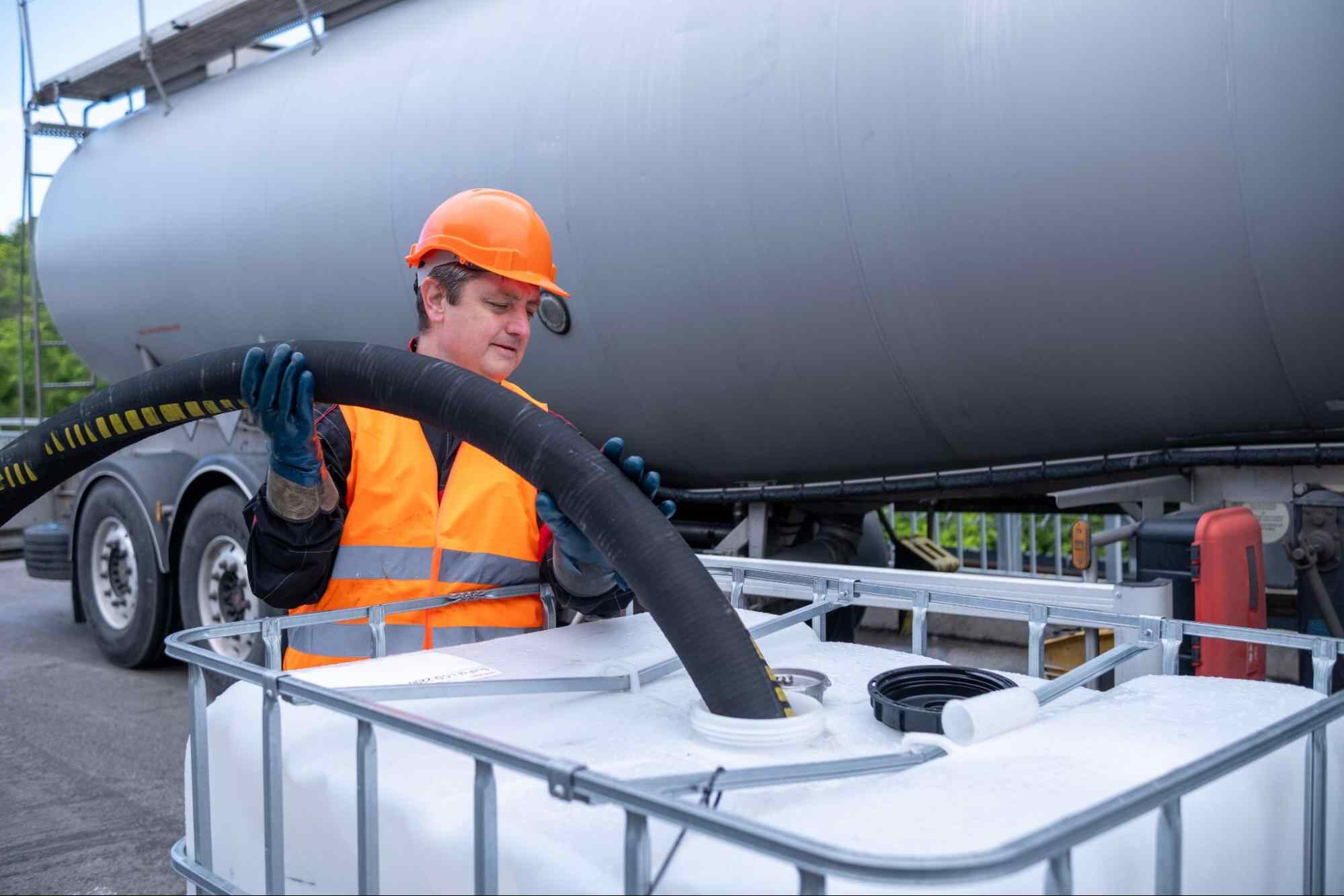
H₂S removal from oil refers to the treatment steps used to reduce or eliminate hydrogen sulfide from crude oil before storage, transport, or sale. In oilfield operations, hydrogen sulfide is a serious concern because it affects worker safety, equipment condition, and the quality of the produced crude. Even when H₂S is dissolved in liquid oil, it can flash into the vapor phase as pressure and temperature change. That creates risks at separators, tanks, oilfield equipment, truck loading points, and other transfer locations.
For operators, the issue is not limited to odor or inconvenience. H2S is lethal, toxic, corrosive, and capable of creating major safety and operating problems if it is not controlled properly. Crude with elevated H₂S may be harder to move through gathering systems, more difficult to store safely, and less attractive to downstream buyers and end-users. In busy production regions such as Texas, where crude is frequently transferred between field equipment and transport systems, effective treatment is crucial to maintain safe operations and supports consistent product quality, as well as reduced cost of production.
How Does H₂S Get Into Crude Oil Systems?
Hydrogen sulfide is naturally present in many sour reservoirs and can remain in produced fluids throughout the production process. As crude moves from the wellhead through separators, tanks, and pipeline connections, the amount of H₂S that stays in the liquid phase can change. Pressure drops, agitation, and temperature shifts can all cause H₂S to release from the oil and enter the gas space above the fluid.
This behavior is one reason H₂S removal from oil requires more than one simple check. Operators need to understand where H₂S is entering the system, where it may be released, and how treatment will perform under actual field conditions. A treatment plan that appears effective at one point in the process may not be sufficient once the oil reaches storage or transport.
What Methods Are Used for H₂S Removal From Oil?
Several methods are used in field operations, and the right choice depends on crude properties, H₂S concentration, flow rate, operating pressure and temperature, and downstream specifications. Common options include:
- Chemical scavengers that react with H₂S in the oil stream
- Continuous injection programs for steady production systems
- Batch treatment for tanks, trucks, and temporary storage
- Mechanical treatment systems designed for high or variable H₂S levels
- Vapor phase control systems to manage H₂S released during storage and transfer
Chemical treatment is often selected because it can be applied quickly, efficiently, and adjusted as operating conditions change. This makes it useful for many upstream and midstream sites where flexibility matters. For operations evaluating chemical treatment options, chemical solutions can support project specific H₂S control programs in oilfield environments.
Mechanical treatment systems can be a strong fit when H₂S concentrations are high, when crude conditions vary significantly, or when operators want a non chemical treatment approach for the produced fluid. In these situations, treatment may focus on separating or removing H₂S through engineered process equipment rather than relying only on scavenger chemistry. For operators evaluating these types of approaches, exploring available H₂S removal from oil solutions can provide a clearer understanding of how different treatment methods perform in real field conditions.
How Do Operators Choose The Right H₂S Removal From Oil Process?
The best process starts with field conditions. Operators should look at how much H₂S is present, whether concentrations are stable or changing, where the crude is going next, and what specifications must be met before transport or sale. Contact time is also important. Some oil streams allow enough retention time for chemistry to work effectively, while other systems move too quickly and may require a different approach.
Crude composition also matters. Water cut, temperature, pressure, and the presence of other contaminants can all affect treatment performance. The same is true for site logistics. A permanent production facility may support a continuous injection program, while a remote site with short term storage may be better served by batch treatment or mobile equipment.
This is why experienced technical review is important. H₂S removal from oil should be matched to each specific production system, not copied from another site with different conditions. When treatment is tailored correctly, operators improve safety while reducing the chance of overtreating, under treating, or creating avoidable operating costs.
Why Does Effective H₂S Removal Matter for Safety, Compliance, and Product Quality?
If H₂S is not removed or controlled effectively, workers can be exposed when crude is opened to the atmosphere, transferred between vessels, or loaded for transport. A reliable treatment program reduces the likelihood of vapor release and supports safer work around production and storage equipment.
Compliance and environmental impacts are also critical, as operations must meet internal standards, customer requirements, and regulatory expectations. Crude with elevated H₂S can create an unsafe operational environment, handling issues, delay shipments, and increase operational risk.
Product quality is the third factor. Properly treated oil is easier to store, transfer, and market. In high activity regions such as Texas, effective H₂S removal helps maintain consistent operations and worker safety.
Can H₂S Levels Change After Oil Has Already Been Treated?
Yes. Hydrogen sulfide concentrations can fluctuate after treatment due to changes in production conditions, temperature, pressure, or mixing with untreated crude. Regular testing helps verify that H₂S remains within acceptable limits throughout storage, transportation, and processing.
How Is H₂S Measured in Crude Oil?
Operators use a variety of sampling and monitoring techniques to measure hydrogen sulfide in both the liquid and vapor phases. Routine testing allows production teams to evaluate treatment performance, identify trends, and adjust removal strategies before H₂S becomes an operational concern.
Does Every Oilfield Require the Same H₂S Treatment Program?
No. Every production site has unique operating conditions, including crude composition, production volume, equipment layout, and customer specifications. An effective H₂S removal program is typically customized to match the specific characteristics of each operation rather than relying on a one-size-fits-all approach.
Can H₂S Removal Help Extend Equipment Life?
Yes. Reducing hydrogen sulfide exposure can help minimize corrosion throughout production equipment, storage tanks, transfer systems, and related infrastructure. Effective treatment may reduce maintenance requirements, improve equipment reliability, and contribute to longer service life.
What Makes H₂S Removal From Oil Effective in the Field?
H₂S removal from oil is not just a chemical decision. It is an operational control strategy that affects safety, equipment performance, transport readiness, and crude value. Operators need to look at the full path of the oil, from production to storage to sale, and apply a treatment method that fits real site conditions.
When the process is selected and managed correctly, H₂S treatment helps reduce risk, protect personnel, improve crude quality, and support smoother field operations. If your operation is managing sour crude, AMGAS can help you choose an H₂S removal approach that fits your system and performs where it counts. Use the form below to contact us and connect with our team to discuss a reliable H₂S removal solution for your operation.